









Your e-scooter fleet is growing. Riders expect instant availability. Operations span multiple cities. Yet your current platform struggles with basic GPS tracking issues.
The micromobility sector faces a critical challenge: managing complex operations through fragmented systems that weren’t built for scale. Full-stack e-scooter app development experts solve this by creating unified platforms that handle everything, from rider bookings to predictive maintenance, in one seamless ecosystem.
The stakes are high. The global e-scooter market is projected to reach USD 947.3 Million by 2033 growing at a CAGR of 3.8%. Companies that deploy integrated 360° mobility platforms gain the competitive edge needed to capture market share while maintaining operational efficiency.
This article explores how expert development teams build these comprehensive solutions. We’ll examine the technical architecture, essential features, and emerging technologies that power successful e-scooter operations worldwide.
Understanding 360° Mobility Platforms in E-Scooter Services
A 360° mobility platform represents complete operational integration where every component communicates in real-time. From rider apps to fleet hardware and admin systems, data flows seamlessly to create one cohesive operating system.
Defining 360° Mobility Platforms
A 360° mobility platform integrates multiple mobility features into a single app ecosystem. Riders book scooters through intuitive interfaces. Your operations team monitors fleet health across continents. Payment processors handle transactions in local currencies. Analytics dashboards reveal usage patterns instantly.
The platform eliminates data silos completely. When a scooter reports low battery, the system automatically routes it for charging. When demand spikes in specific zones, dynamic pricing adjusts accordingly. Traditional platforms force you to juggle multiple vendors—one for bookings, another for payments, a third for maintenance tracking. A 360° platform consolidates these functions into a single source of truth.
Importance of Full-Stack Development in Mobility Solutions
Full-stack development brings front-end and back-end expertise together. This unified approach is essential for mobility platforms handling real-time data from thousands of devices.
Front-end developers create responsive interfaces that work flawlessly on any device. Back-end developers architect infrastructure that processes millions of transactions daily. The magic happens when these teams collaborate on IoT integration. When a rider unlocks a scooter, the front-end triggers the command, the back-end authenticates it, and the IoT layer activates the physical lock—all in milliseconds.
Core Components of a 360° E-Scooter Platform
Five essential components form the foundation: the User App puts mobility in riders’ pockets, the Admin Dashboard empowers operations teams with fleet tracking and management, Telemetry and IoT devices provide real-time location and health data, Payment Gateway integration handles secure transactions, and the Analytics Suite transforms raw data into actionable insights for revenue tracking and predictive maintenance.
The Role of Full-Stack Experts in E-Scooter App Development
Building mobility platforms requires specialized technical expertise across multiple technology layers. Full-stack teams master everything from mobile frameworks to IoT protocols, ensuring seamless integration throughout the entire system.
Skills and Technologies Involved
Modern e-scooter platforms demand diverse technical expertise. For mobile applications, React Native and Flutter enable simultaneous iOS and Android development from a single codebase. Back-end infrastructure relies on Node.js for handling asynchronous operations and Python for data processing and machine learning integration.
IoT integration separates basic apps from true mobility platforms. Developers implement MQTT protocols for lightweight device communication and secure over-the-air firmware updates. GPS accuracy optimization ensures riders find scooters exactly where indicated. Database expertise spans PostgreSQL for transactional data and MongoDB for flexible telemetry storage.
Strategic Development Process
Successful platforms emerge from structured methodologies starting with requirement analysis. Development teams study existing pain points and conduct market research to understand what competitors lack. This phase produces detailed specifications and realistic timeline estimates.
Agile methodology accelerates development through two-week sprints. Each sprint delivers working features for stakeholder testing. Continuous integration and deployment maintains quality with automated testing on every code commit. This pipeline enables weekly feature releases instead of waiting months for major versions.
Key Features Crafted by Full-Stack E-Scooter App Developers
Expert developers build features that address real operational challenges while enhancing user experience. These capabilities transform scattered tools into intelligent systems that predict needs and automate workflows.
Smart Fleet and Ride Management
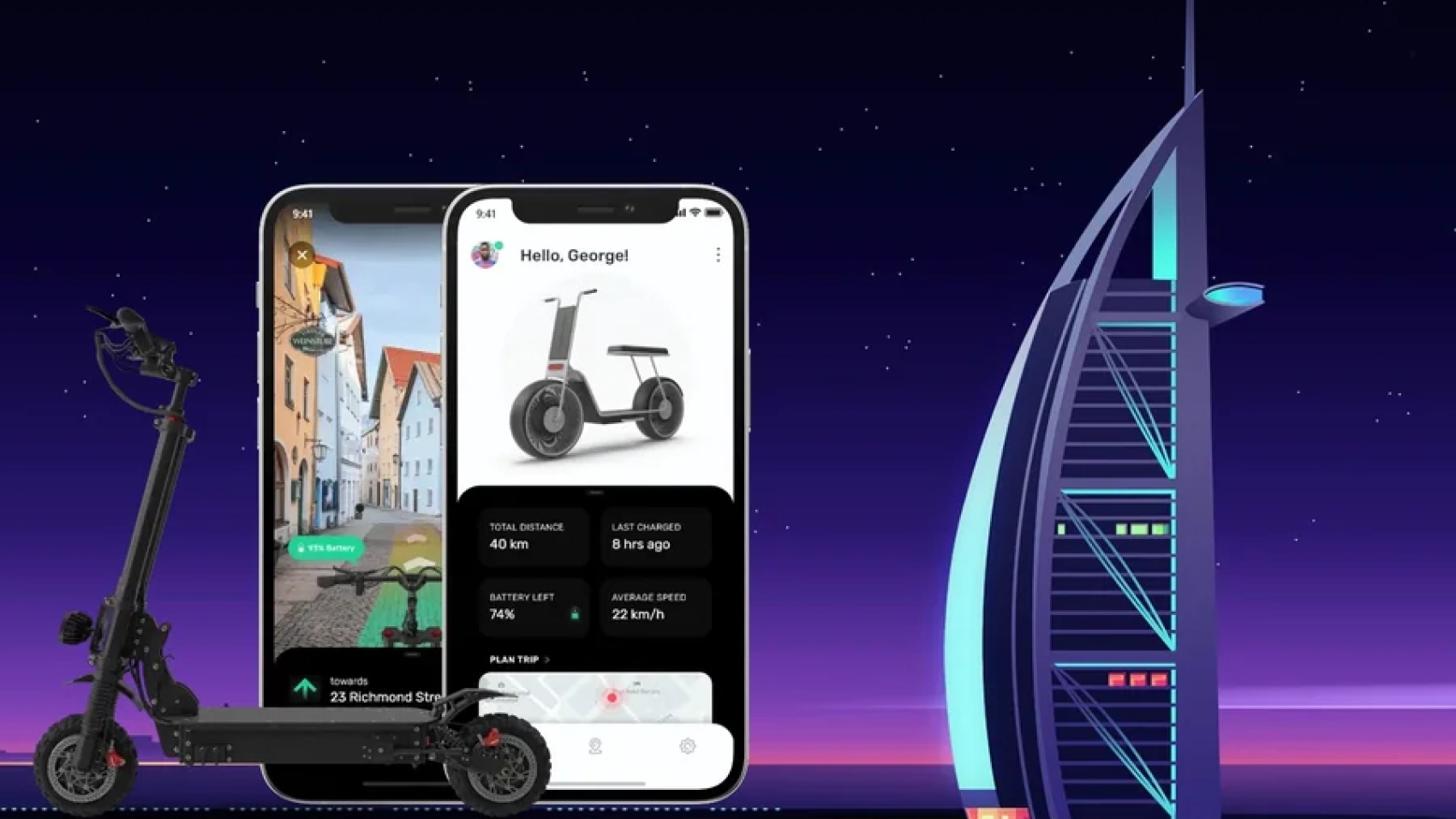
Real-time visibility drives operational efficiency. Riders see available scooters within seconds, with color-coded icons indicating battery levels. QR code scanning unlocks vehicles instantly after a simple reservation process.
Photo verification at ride start and end prevents disputes. Computer vision algorithms flag improperly parked vehicles automatically. Predictive maintenance changes operations entirely—AI algorithms analyze telemetry data to detect patterns indicating upcoming failures. Your maintenance team receives prioritized work orders with optimal collection routes, significantly reducing downtime.
Enhanced User Experience through Personalization
AI-powered route optimization considers traffic patterns, road surface quality, and elevation data. Ride suggestions appear based on user behavior—commuters see scooters near their usual departure times while weekend users receive notifications about scenic routes.
Multi-language support expands market reach by detecting device language settings automatically. Customizable dashboards give riders control over favorite pickup locations, saved payment methods, and privacy preferences according to their comfort level.
Safety and Compliance
Geofencing technology creates virtual boundaries where scooters slow automatically when approaching restricted zones. No-ride areas trigger alerts while parking zones ensure proper vehicle placement. Speed control adapts to location context—residential areas limit maximum speed while commercial zones allow faster travel.
In-app safety alerts educate riders through pre-ride checklists and brief safety tutorials for first-time users. Emergency contact buttons provide quick access to support when needed.
Payment and Revenue Management
Flexible payment systems maximize conversion rates by supporting multiple gateways. Credit cards, digital wallets like Apple Pay and Google Pay, and even cryptocurrency options accommodate regional preferences.
Promotional tools drive growth through referral codes, first-ride discounts, subscription models, dynamic pricing, and corporate accounts with centralized billing. Revenue dashboards show real-time earnings broken down by city, scooter model, and time period for identifying profitable operational patterns.
Analytics and Reporting
Comprehensive analytics reveal patterns invisible in daily operations. Fleet performance metrics track utilization rates to identify which scooters generate the most revenue. User behavior analysis highlights peak usage times and popular routes for expansion planning.
Revenue tracking includes cohort analysis for lifetime value trends and churn prediction models. Maintenance analytics predict costs accurately using historical repair data. Custom report builders let stakeholders extract specific insights and schedule automated delivery.
Latest Trends Shaping E-Scooter App Development in 2025
Technology evolution continues accelerating the capabilities of modern mobility platforms. From artificial intelligence to 5G networks, these innovations create competitive advantages for early adopters.
Integration of Artificial Intelligence and Machine Learning
AI elevates platforms from smart to intelligent. Predictive maintenance now forecasts failures days in advance using battery degradation curves and vibration pattern analysis. Demand forecasting optimizes fleet distribution by learning seasonal patterns, weather impacts, and local event calendars.
Personalized recommendations deepen engagement by suggesting departure times based on commute patterns. Fraud detection protects revenue by identifying suspicious patterns like account sharing or GPS spoofing.
IoT and Telematics for Real-Time Fleet Management
Modern scooters function as rolling data centers. GPS accuracy reaches sub-meter precision using multi-constellation receivers. Telemetry streams monitor battery temperature, motor performance, and brake wear constantly.
Theft prevention combines motion sensors, loud alarms, GPS tracking, and remote immobilization. Over-the-air updates revolutionize management by deploying firmware upgrades and security patches to thousands of scooters overnight.
Multi-Modal Transport Integration
Integrated platforms connect various transport options seamlessly. Users plan journeys combining scooters with public transit, seeing bus schedules alongside scooter availability. One account handles all payments with unified trip history and consolidated billing.
Partnerships with ride-hailing apps, parking services, and transit authorities create ecosystem value that positions your platform as the primary urban mobility tool.
Use of 5G and Edge Computing
5G deployment transforms mobile capabilities. Ultra-low latency makes unlock commands execute in milliseconds. Bandwidth increases support high-resolution maps and augmented reality navigation overlays.
Edge computing processes data on regional servers, reducing latency while decreasing bandwidth costs. This architecture enables advanced safety features as vehicle-to-everything communication matures.
How to Choose the Right E Scooter App Development Company
Selecting the right development partner determines your platform’s long-term success. Technical expertise, customization capabilities, and ongoing support separate viable partners from disappointing ones.
Evaluating Technical Expertise and Industry Experience
Review their technology stack compatibility and IoT integration expertise. Request examples of previous hardware integration projects and experience with specific scooter manufacturers’ APIs. Industry experience accelerates development, teams familiar with micromobility understand regulatory requirements and anticipate operational challenges.
Request references from existing mobility clients. Speak with operations teams about platform reliability and responsiveness during urgent issues.
Customization and Scalability Options
White-label capabilities let you maintain brand identity while custom feature development should be straightforward. Ask about their approach to scaling from 100 to 10,000 scooters and how costs scale with fleet size.
Multi-country support requires currency conversion, language localization, and regional payment methods as core capabilities. API availability enables ecosystem integration and future-proofs your operation.
Support and Maintenance Services
Understand their maintenance model clearly, what’s included versus premium support, response times for critical issues, and 24/7 coverage availability. Regular updates should maintain competitiveness with clear feature roadmaps and prompt security patches.
Training quality and comprehensive documentation impact your team’s effectiveness and reduce support tickets over time.
Conclusion
Full-stack development expertise separates functional e-scooter apps from transformative mobility platforms. The 360° approach integrates every operational component into a unified, intelligent system that scales with your ambitions.
The companies winning in micromobility aren’t those with the most scooters, they’re those with the most sophisticated platforms. AI-powered maintenance reduces costs. Real-time analytics optimize fleet distribution. Seamless user experiences drive loyalty and organic growth.
Your competitive advantage depends on partnering with an e scooter app development company that understands both current requirements and future possibilities. The urban mobility market rewards those who act decisively. Outdated platforms limit growth while modern competitors capture market share.