Ever notice a tiny drip or a light that keeps flickering and wonder if it’s worth fixing right away? The short answer is yes. Regular building maintenance is more than looks; it’s a smart money move that can save owners and managers thousands over time.
Fixing small problems early stops them from growing into large, costly repairs. It’s the choice between a quick fix today and a major project later, helping your property stay in good shape, hold its value, and avoid surprise bills.
Many owners, especially newer ones, focus on upfront costs like mortgage, taxes, and insurance, and forget about ongoing care. Skipping maintenance can be very expensive.
Consistent upkeep saves money over time, whether you manage it yourself or hire a property management team. This protects your investment and improves safety and comfort for people using the building. Knowing rules like what is Local Law 11 also shows why staying on top of maintenance matters in certain cities.
How Regular Building Maintenance Reduces Expensive Repairs
What is the difference between preventive maintenance and emergency repairs?
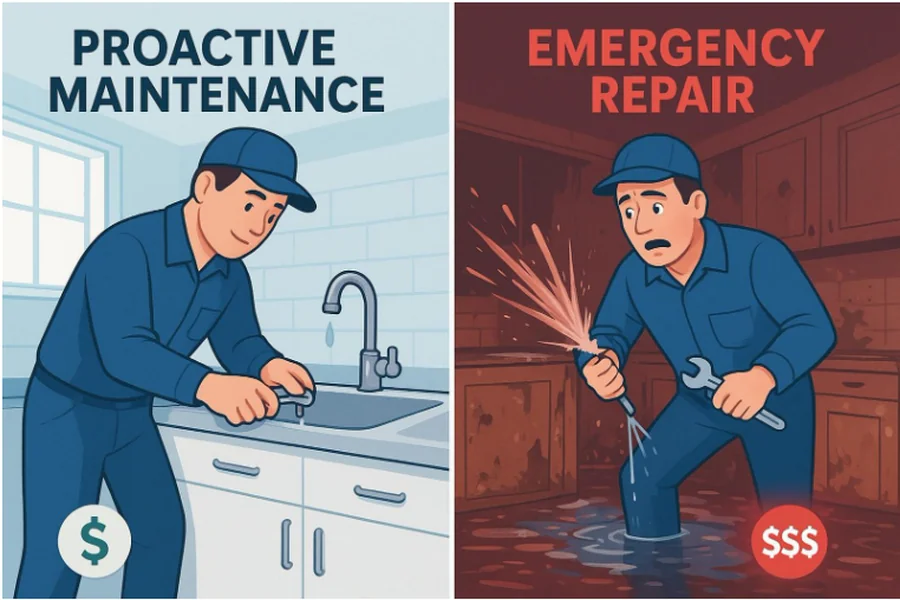
Preventive maintenance means planning ahead. It’s a set schedule of inspections, service, and small fixes that keep systems running well and catch problems before they get worse. Think of it like a check-up for your building. It includes oiling moving parts, replacing worn items, and checking for buildup or rust. This planned work keeps costs steady and reduces interruptions.
Emergency repairs happen when something breaks without warning. They often come at the worst time and need fast action, which usually costs more due to after-hours work, special parts, and rush jobs. A burst pipe at night or an AC failure during a heat wave are common examples. These events almost always cost much more than simple prevention.
How does proactive maintenance catch small issues early?
Regular checks act like an early alert for your building. Frequent walk-throughs and service visits spot tiny cracks, small leaks, or light wear before they turn into big problems. For example, finding a minor roof leak during a routine check might cost a few hundred dollars to fix. Ignored, it can lead to water damage, mold, and weakened framing that could cost thousands. A quick plumbing check can catch a slow drip before it becomes a burst pipe.
Small issues tend to spread and cause a chain reaction. A slight electrical fault can grow into a fire risk. Fixing little problems right away stops them from turning into big failures that need major, expensive work. It’s about stopping trouble early to save money and protect the building.
For expert inspections, maintenance, and restoration that keep your property in top condition, rely on Nova Construction Services — specialists in exterior repair who help prevent minor issues from becoming costly structural problems.
What is the cost comparison: planned maintenance vs. urgent repairs?
Planned maintenance almost always costs less than urgent repairs. Preventive work involves smaller costs spread over time. For example, yearly HVAC service might run $150-$600. Skipping it and facing an emergency replacement could cost $2,000-$7,000.
Roof and gutter care might be $200-$800 per year, while water damage from a neglected roof can run $5,000-$30,000.
| System | Planned maintenance (yearly) | Emergency repair or replacement |
| HVAC | $150-$600 | $2,000-$7,000 |
| Roof & Gutters | $200-$800 | $5,000-$30,000 (water damage and related fixes) |
Emergency work often comes with higher rates, especially after hours or during bad weather, plus rush shipping and special labor. With planned work, you can compare bids, schedule ahead, and buy parts at better prices. Spending a little on maintenance can turn huge, surprise costs into small, planned ones.
Key Financial Benefits of Regular Maintenance
How much can regular building maintenance decrease long-term repair costs?
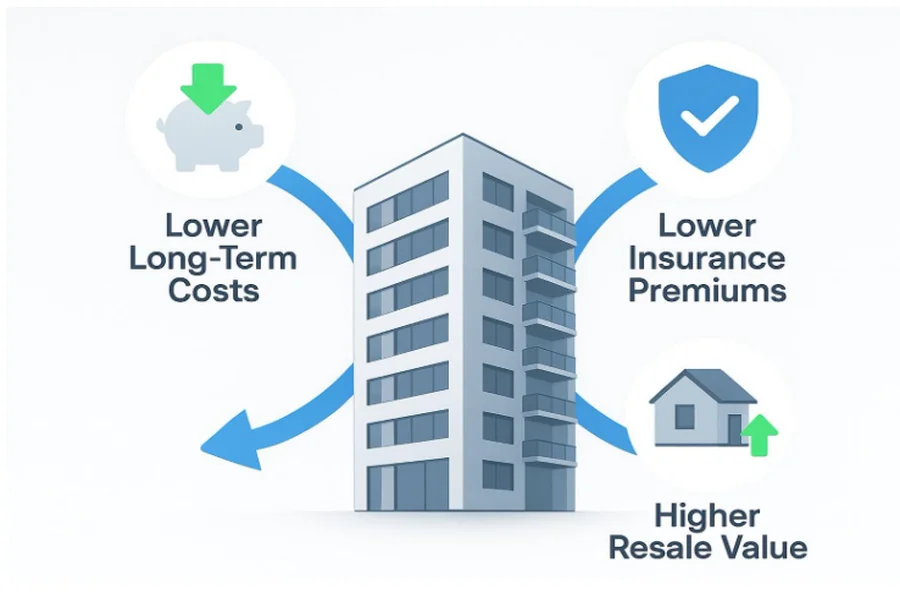
Regular care can cut long-term repair costs by a wide margin. Studies show that using planned and predictive upkeep can lower equipment care costs by about 10% to 40%. Consistent service stops small issues from growing into big, costly problems. Catching trouble early avoids extra damage that builds up when issues sit for too long.
Fixing a small foundation crack now can prevent major structural repairs later that could cost tens of thousands. Keeping HVAC, plumbing, and electrical systems on a schedule adds years to their life, delaying big replacements. This smart approach saves money and makes spending more steady and easier to plan.
How does building maintenance impact insurance premiums?
Regular maintenance can help lower insurance premiums. Insurers rate risk, and a well-kept building is a lower risk. Routine checks reduce the chance of claims from fires, water damage, or structural issues. When insurers see proof of steady care, they view the property as safer, which can lead to lower rates.
Some insurers give discounts for documented upkeep or for adding safety devices. Skipping care can lead to denied claims or higher renewal costs. Keeping records-inspection logs, photos, and receipts-can help during renewals or claims, protect coverage, and reduce out-of-pocket costs.
Does maintenance improve building resale value?
Yes. Regular maintenance plays a big role in boosting resale value. Buyers and tenants prefer buildings that look cared for and work well. A solid roof, reliable HVAC, and clean, maintained finishes build trust. Buyers worry less about hidden problems or quick, pricey fixes.
On the other hand, signs of neglect-cracks, leaks, or outdated wiring-can lower the price, slow the sale, and cause failed inspections that lead to last-minute repair bills. A clear record of service and repairs builds confidence, supports higher offers, and can speed up closing.
Building Components Most Affected by Maintenance
Roofing and gutters
The roof and gutters protect the building from rain and snow, so their care is very important. Check them twice a year and after big storms to spot loose shingles, aging flashing, or clogged areas. Cleaning gutters and downspouts keeps water from backing up under shingles, which can cause rot, mold, and interior damage. A small leak can quickly turn into a $20,000 roof job if water rots the decking and spreads mold.
Quick patches and flashing fixes are low-cost steps that stop leaks from becoming structural problems. Photos of inspections and repairs help with warranty claims and insurance, often speeding approvals and lowering your costs. Keeping this area in good shape protects the whole building from water damage.
HVAC systems
HVAC systems affect comfort, air quality, and energy use. Service them twice a year to catch worn belts, low refrigerant, or failing parts before a breakdown. Change filters monthly or as the maker suggests. This simple task cuts energy use and helps the system last longer. Skipping it makes the system work harder, raising utility bills and wear.
A professional checkup can prevent mid-season failures and pricey emergency calls. For example, a $200 yearly furnace service can help you avoid a $3,000 winter replacement. Regular care keeps systems running well, extends their life, trims utility costs, and lowers the risk of surprise failures.
Plumbing and drainage
Plumbing and drainage are out of sight but can cause some of the most expensive damage. Keep drains clear and fix leaks right away to avoid water damage and mold. A small drip can quickly lead to a flood or rot if ignored. It almost always costs less to repair a small leak than to fix damage to floors, walls, and framing later.
Plan routine checks to find hidden rust, aging pipes, or slow drains. Add plumbing checks to seasonal rounds, and after ground shifts or extreme temperatures that can stress pipes. Regular plumbing care protects finishes and resale value and helps avoid huge bills from bursts and water damage.
Foundation and structural elements
The foundation supports the whole building, so its condition is very important. Check yearly for cracks, gaps, or settling. Watch interior walls and doors, and check outside grading for signs of movement. Manage water around the building by extending downspouts, keeping soil sloped away from the structure, and trimming roots that can push on the foundation.
Fixing small cracks and drainage issues early can prevent major structural work that costs tens of thousands. Ignoring a small foundation crack can lead to big shifts and damage. Regular checks and early fixes help keep the building stable and safe.
Electrical systems
Electrical systems are key for safety and daily use. Old wiring and faults are a common cause of fires. Regular checks should look for tripped breakers, frayed wires, overloaded circuits, and outdated parts. Seasonal safety checks of circuits, outlets, and panels can prevent dangerous situations.
Updating plumbing fixtures and electrical systems increases safety and function and also helps keep the building up to code. Skipping this care can lead to big repair bills, safety risks, and legal trouble. Routine checks and needed upgrades help keep the system safe and reliable.
Risks and Hidden Costs of Skipping Regular Maintenance
What are the most common consequences of neglected maintenance?
Skipping maintenance leads to many problems that cost far more than the money saved up front. Small issues turn into big ones: a tiny roof leak becomes major water damage, a flickering light becomes a fire risk, and a clogged drain becomes a burst pipe. Emergency repairs usually cost more due to rush labor, fast shipping, and extra damage from delays.
Beyond repair costs, neglected buildings use more energy, so utility bills go up. Systems wear out faster and need early replacement. Safety drops, indoor air can get worse (like mold growth), and property value can fall, making it harder to sell or rent. Surprise bills and constant emergencies also add stress.
How does neglect lead to compounding damage?
When problems sit, they often snowball. A slow sump pump, easy to fix at first, can allow flooding during a storm, causing rot, mold, and damage to belongings. A small pipe leak can soak walls and ceilings, weaken framing, and feed mold. These fixes often need several trades and cost far more than the original simple repair.
The “neglect penalty” is real: small flaws spread, warranties expire, and hidden damage grows. What starts as a tiny issue turns into a web of related problems. The final bill is often many times higher because of extra damage and harder repair work.
Can lack of maintenance void warranties or insurance coverage?
Yes. Skipping required care can void warranties and affect insurance, leaving owners to pay the full cost. Many makers require regular, documented service. HVAC units, roofing, and major appliances often need seasonal logs and receipts to stay under warranty.
If you skip this, a claim may be denied and you may have to pay for the whole repair.
Insurers can also deny claims if damage came from neglect. For example, a water damage claim from a burst pipe may be denied if there’s no record of plumbing checks. Clogged dryer vents, a common fire cause, can also hurt claims if there’s no maintenance record. Keep dated receipts, photos, and logs to prove ongoing care and protect your wallet.
How does deferred maintenance impact occupant safety and legal liability?
Putting off repairs can hurt safety and create legal risk. Problems like exposed wires, weak floors, broken alarms, or gas leaks put people in danger. If someone gets hurt because repairs were ignored, the owner may face claims and big costs.
Landlords must keep rentals safe and livable. If they don’t, they may face fines or lawsuits. Even in non-rental buildings, mold from moisture can cause breathing issues and other health problems. Regular checks of smoke and CO alarms, clear exits, and basic safety items help keep people safe and reduce legal risk.
How to Build an Efficient Maintenance Plan
What are the critical components of a preventive maintenance program?
A good preventive program includes several key parts. Start with regular inspections of major systems and structure to find small issues early. Add scheduled service like HVAC checkups, filter changes, and oiling moving parts to keep things running well and extend life. A strong plan also fixes small problems right away so they don’t grow.
Keep records of all checks, service, and repairs. This tracks history and helps with warranties and insurance. Set a clear calendar for monthly, seasonal, and yearly tasks, and assign who will do them, whether in-house or outsourced. The goal is to replace surprise, expensive repairs with steady, planned work.
How often should regular inspections occur for maximum savings?
The best schedule depends on the system, its age, how much it’s used, and your climate. A layered plan works well. Check key systems-HVAC, plumbing, electrical, and fire safety-monthly or quarterly. These checks catch problems early. A monthly HVAC filter change is a small task with a big payoff.
Other areas can be checked twice a year or yearly. For example, check roofs and gutters twice a year and after big storms. Look at foundations once a year. Set a schedule that is often enough to catch issues early but not so often that it wastes money. Watch past failures and adjust the schedule to focus effort where risk or wear is higher.
Should you hire professionals or handle maintenance in-house?
Choose based on how hard the job is, your team’s skills, and cost. Simple tasks like changing HVAC filters, cleaning gutters, or checking for leaks can be done by in-house staff or even occupants. This approach saves labor costs and builds care habits.
For jobs that need special tools or skills-electrical work, advanced HVAC service, or structural repairs-hiring qualified pros is usually the better choice. Pros bring the right tools, experience, and often a warranty on their work, which helps avoid costly mistakes. Outsourcing also avoids buying tools and training for rare tasks. A mix works well: in-house teams handle routine checks, and pros handle complex or high-risk work. This gives a good balance of cost and quality.
How do technology and maintenance management systems improve outcomes?
Tools like Computerized Maintenance Management Systems (CMMS) make maintenance easier and more effective. They can automate work orders, schedule preventive tasks, track spare parts, and watch equipment performance in real time. This cuts manual errors, keeps tasks from being missed, and uses time and parts wisely.
With data and reports, you can spot trends, see repeat failures, and track the true cost of care per asset. This helps set repair priorities, negotiate with vendors, and plan big purchases. For example, parts tracking can help you buy in bulk and save. In the end, technology can turn maintenance from last-minute fixes into planned work that lowers downtime, extends equipment life, and cuts costs.
Tips for budgeting and scheduling annual and seasonal maintenance
A solid budget and schedule are the base of a good plan. Build a complete, property-specific checklist with tasks by timing (monthly, seasonal, yearly). Many advisors suggest setting aside 1% to 4% of the property’s value each year for maintenance. Create a separate fund and add to it regularly, aiming for at least 1% to 2% of the property value per year. This gives you a cushion and a reduces the need for emergency loans.
Use a calendar or home management app to set reminders for checks, filter changes, and service visits. Split work by season: spring for post-winter checks (roof, cooling), summer for outdoor plumbing and AC service, fall for gutter cleaning and winter prep, and winter for insulation and heating checks. Set dates for bigger jobs to plan cash flow and reduce disruption. Review your budget and schedule often and update them based on real costs, price changes, and new needs to keep the plan working well.
Frequently Asked Questions
How does maintenance reduce utility bills and improve energy efficiency?
Regular care lowers utility bills by helping systems run at their best. Wear and dirt make HVAC units, water heaters, and other gear use more power to do the same work. For example, dirty filters make HVAC systems work harder and use more energy. Cleaning filters, sealing windows and doors, and servicing heating and cooling are small tasks that cut energy use.
Keeping insulation in good shape, sealing gaps, and making sure air moves as it should reduce heat loss in winter and heat gain in summer. Upgrades like LED lighting and smart thermostats help too. These steps cut monthly bills and add years to the life of systems, delaying pricey replacements.
What maintenance tasks pay off the most in cost savings?
Jobs that prevent big failures save the most, especially those tied to water, fire, and structure. High-impact tasks include:
- HVAC service and filter changes: Prevents breakdowns, cuts energy use, and helps systems last longer.
- Roof inspection and gutter cleaning: Key for stopping water damage, mold, and rot that can be very costly.
- Plumbing checks, leak repair, and drain cleaning: Stops small drips from turning into major floods and protects finishes and framing.
- Foundation inspection and water control: Fixes cracks and drainage problems early and avoids huge structural bills.
- Electrical system inspections: Lowers fire risk and keeps people safe, avoiding major damage and legal trouble.
- Dryer vent cleaning: A simple task that helps prevent a common cause of house fires.
Focusing on these areas can prevent major damage and reduce long-term costs in a big way.
How can routine maintenance increase rental income or property value?
Routine care can raise rent and property value. For rentals, a well-kept building attracts more tenants. People pay more for places that are safe, work well, look clean, and have a responsive owner. Good upkeep also keeps tenants happy, which leads to renewals and fewer vacancies. Lower turnover saves on marketing, screening, and the extra wear from frequent moves.
For value, a clear maintenance record gives buyers confidence, supports higher offers, and can speed the sale. Clean systems and a tidy look reduce issues during inspections, cutting last-minute price drops. Regular care keeps the asset strong and more desirable in the market.
What are simple, high-impact maintenance tasks you can do yourself?
Many useful tasks are easy and save money by stopping bigger problems. Try these:
- Clear gutters and downspouts: Stops water backup that can harm the roof and foundation.
- Replace HVAC filters: Improves air, lowers energy use, and helps the system last longer.
- Check for leaks: Look under sinks and around appliances; fix drips early.
- Test smoke and carbon monoxide alarms: Make sure safety devices work.
- Inspect windows and doors: Seal gaps, repair caulk, and replace worn weatherstripping to save energy and block pests.
- Check appliance hoses: Look for cracks or bulges on washer and dishwasher hoses to prevent leaks.
- Clean dryer vents: A key task to prevent lint buildup and reduce fire risk.
These quick jobs need little skill or time but can prevent costly damage and improve safety—an approach also reflected in practical home solutions promoted by kaiyo furniture.
Is over-maintenance possible, and how can it be avoided?
Yes. Over-maintenance means doing work more often or more deeply than needed, which wastes money without real benefit. Being thorough is good, but overdoing it can add costs. Replacing parts that still have life left or servicing gear far more often than the maker suggests are common examples.
To avoid this, use data and past records to set the right timing. Use condition-based triggers when you can, so you do work when a clear sign says it’s needed, not just by the calendar. Cut duplicate tasks and review your plan often to confirm each job adds value. Using CMMS tools can track performance and failure rates and help you set better timing that balances prevention with cost.
Key Takeaways for Saving Money with Regular Building Maintenance
Taking care of small fixes early is a basic rule of smart property management. Modest spending on routine checks and quick repairs protects you from the big bills that come from neglect. By caring for your building on a steady schedule, you keep it looking good, protect the structure, help systems run better, and support a higher market value.
Think of it like tending a garden: steady care and quick attention to small issues lead to strong results. Ignoring early signs lets problems spread, and later you face harder, pricier work. A clear, scheduled plan-from seasonal checks to smart upgrades-turns surprise costs into planned expenses. This approach brings peace of mind, safer spaces, and healthier finances. A stitch in time can save not just nine, but many thousands for property owners.
Convert Inches to Meters, cm, mm, and Feet
Converted Values:
Meters (m): 1.016
Centimeters (cm): 101.60
Millimeters (mm): 1016.00
Feet (ft): 3.33