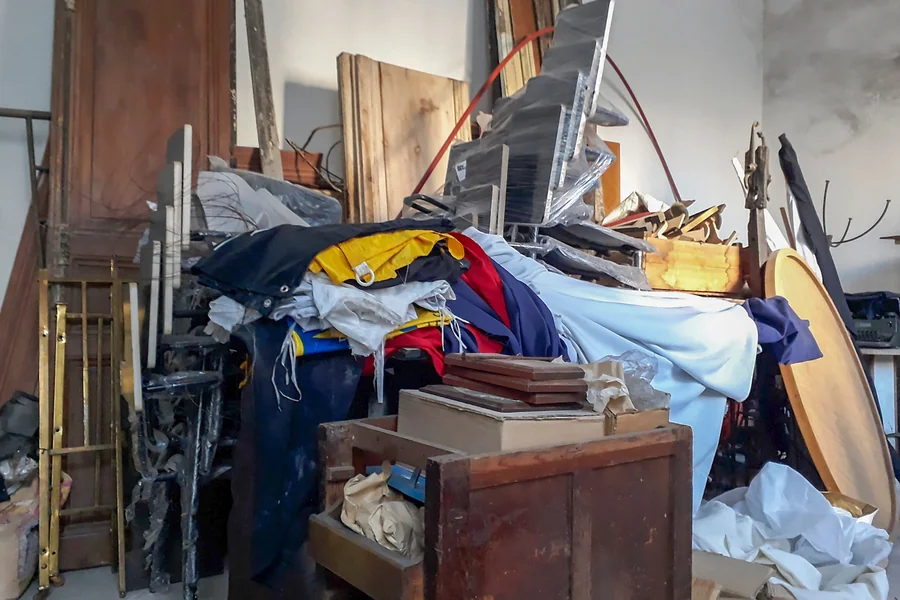
Clutter in homes and offices is more than just an eyesore; it can be a haven for pests. When spaces are filled with unnecessary items, it becomes difficult to clean and maintain them, creating ideal conditions for pests to thrive. Pests such as rodents, insects, and spiders find refuge in cluttered areas where they can hide, breed, and access food sources without disturbance. Organizing and decluttering not only improves the aesthetic appeal of a space but also plays a crucial role in pest prevention. By understanding how clutter contributes to pest problems, individuals can take proactive steps to organize their environments effectively.
Understanding the Impact of Clutter
Cluttered spaces provide pests with numerous hiding spots, making it challenging to detect and eliminate them. When items are piled up or scattered around, it creates dark and undisturbed areas that pests find attractive. These areas often go unnoticed during regular cleaning routines, allowing pests to establish nests and multiply. Additionally, clutter can obstruct access to walls, corners, and other critical areas where pests might enter or exit. This makes it difficult to identify entry points and seal them off effectively. The presence of clutter also complicates pest control measures, as it hinders the application of treatments and reduces their effectiveness. By recognizing the impact of clutter, individuals can better understand the importance of maintaining organized spaces to deter pests.
How Clutter Attracts Pests
Pests are naturally drawn to environments that provide them with food, water, and shelter. Cluttered spaces often meet these needs, making them attractive to various pests. For instance, stacks of newspapers, cardboard boxes, and unused items can serve as nesting materials for rodents and insects. Food crumbs and spills that are hidden beneath clutter can attract ants, cockroaches, and other pests. Moisture can accumulate in cluttered areas, providing a water source for pests like silverfish and centipedes. Moreover, clutter can create temperature-controlled environments that are ideal for pests to thrive. By eliminating clutter, individuals can remove these attractants and make their spaces less appealing to pests.
Organizing for Pest Prevention
Effective organization is key to preventing pest infestations. By systematically decluttering and organizing spaces, individuals can reduce the likelihood of pests finding suitable hiding spots. Start by sorting through items and deciding what to keep, donate, or discard. This process helps eliminate unnecessary clutter and frees up space for better organization. Use storage solutions such as bins, shelves, and cabinets to keep items off the floor and away from walls. This not only makes cleaning easier but also reduces potential hiding spots for pests. Regularly clean and vacuum organized spaces to remove food particles and debris that might attract pests. By maintaining a clean and organized environment, individuals can significantly reduce the risk of pest infestations.
The Role of Professional Pest Control
While organizing and decluttering are essential steps in pest prevention, professional pest control services can provide additional protection. Pest Control Louisville offers comprehensive solutions to address pest issues effectively. Professionals have the knowledge and tools to identify potential pest entry points and treat infestations thoroughly. They can also provide guidance on maintaining a pest-free environment through proper organization and sanitation practices. By combining professional pest control services with regular organization efforts, individuals can create a robust defense against pests and ensure their spaces remain clean and pest-free.
Benefits of a Clutter-Free Environment
A clutter-free environment offers numerous benefits beyond pest prevention. It enhances the overall appearance of a space, making it more inviting and comfortable. Organized spaces are easier to clean and maintain, reducing the time and effort required for regular upkeep. A clutter-free environment also promotes better mental well-being, as it reduces stress and creates a sense of order and tranquility. Additionally, it improves safety by eliminating tripping hazards and ensuring clear pathways. By prioritizing organization and decluttering, individuals can enjoy a healthier, more pleasant living or working environment.
Conclusion
In conclusion, clutter plays a significant role in creating hiding spaces for pests, making it crucial to maintain organized environments for effective pest prevention. By understanding how clutter attracts pests and taking proactive steps to declutter and organize spaces, individuals can reduce the risk of infestations. Professional pest control services can complement these efforts by providing targeted treatments and expert advice. Ultimately, a clutter-free environment not only deters pests but also enhances the overall quality of life, offering a cleaner, safer, and more enjoyable space for everyone.
Convert Inches to Meters, cm, mm, and Feet
Converted Values:
Meters (m): 1.016
Centimeters (cm): 101.60
Millimeters (mm): 1016.00
Feet (ft): 3.33