

Have you ever stopped and wondered, How big is an inch? It sounds simple, right? But once you start thinking about it, it’s actually a little tricky to picture. You might look at your thumb, a coin, or even a paperclip and think, is that close to an inch?
That’s the fun part — an inch is a small but mighty unit of measurement we use almost every day without realizing it. From your phone screen to your notebook, from cookies to nails, one inch shows up everywhere!
In this guide, we’ll make it super easy to understand how long an inch really is, show real-life examples, and give you simple ways to visualize it — even without a ruler. By the time you’re done reading, you’ll be able to spot an inch anywhere like a pro.
???? How Big Is an Inch?
So, let’s answer the big question — how big is an inch exactly?
An inch is a small unit of length that’s used mainly in the United States and the United Kingdom. It’s equal to 2.54 centimeters or 25.4 millimeters in the metric system. That might sound a bit technical, but here’s an easier way to picture it:
➡️ The width of your thumb from one side to the other is about 1 inch.
➡️ A quarter coin or a paperclip is almost the same length too.
Pretty simple, right?
When we say something is one inch long, we mean it’s about the size of those tiny everyday things you see around you. So next time you hear someone say something is “1 inch wide” or “1 inch tall,” you can imagine it instantly — even without measuring.
Understanding how long is an inch helps make sense of other measurements, too — like 2 inches, 3 inches, or even 4 inches. Once you know what one inch looks like, everything else starts to make perfect sense!
How Big Is an Inch in Centimeters and Millimeters?
If you like numbers, here’s a quick and simple way to remember conversions:
- 1 inch = 2.54 centimeters
- 1 inch = 25.4 millimeters
So, if something measures 5 inches, that’s about 12.7 centimeters long. This helps a lot when you see sizes written in different units online or in stores. Now, when someone says “this screen is 6 inches,” you can imagine exactly how long an inch feels multiplied by six!
How to Visualize One Inch Without a Ruler
Not everyone keeps a ruler nearby, right? So here’s a fun trick — look at your thumb. For most people, the width of their thumb is close to one inch.
You can also use small, familiar items like a coin, bottle cap, or paperclip to picture an inch. These visual tools make it easy to understand how big 1 inch really is, even when you can’t measure it directly.
See Also Our Free Online Easy Measurement Tools
Measuring an Inch the Right Way
If you want to be exact, grab a ruler or measuring tape. The inch marks are the long lines numbered 1, 2, 3, and so on. Each inch is usually divided into smaller lines — halves, quarters, and eighths.
To measure something, line it up at the “0” mark and see where it ends. If it stops at the number 1, then you know it’s exactly one inch long.
15 Common Objects That Are About 1 Inch Big
It can be hard to picture how big an inch really is until you compare it with things you see every day. To make it easy, here are some common objects that are close to 1 inch in size. These examples will help you understand how long is an inch in real life — no ruler needed!
1. A Paperclip
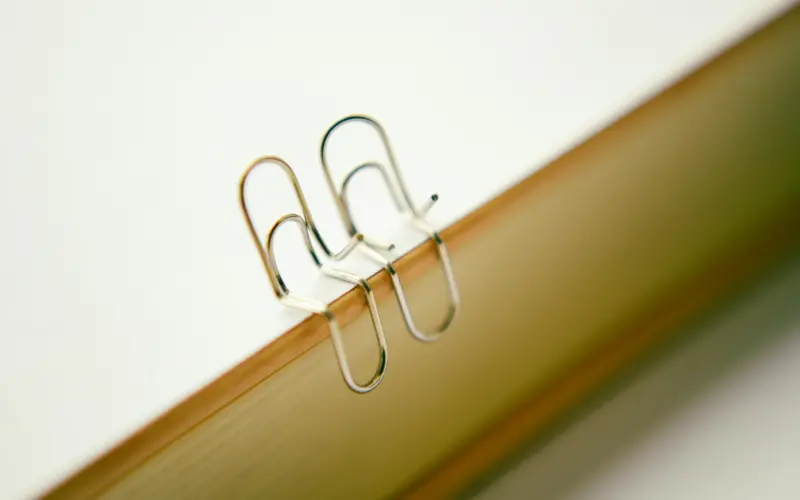
A small, straight paperclip is almost exactly one inch long. It’s something you’ll find in your school bag or office desk, making it a super easy way to guess an inch when you need it fast.
2. A Bottle Cap
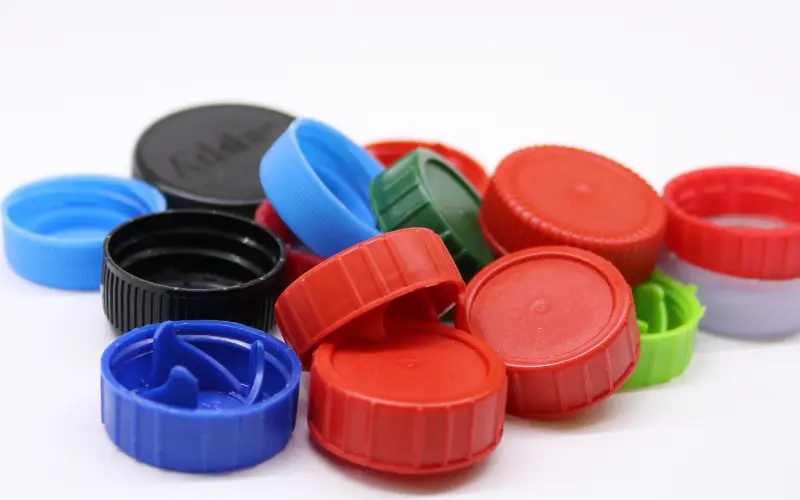
Grab a soda bottle and look at the cap — it’s about 1 inch wide. That small round top can help you picture what an inch looks like anytime, anywhere.
3. Your Thumb’s Width
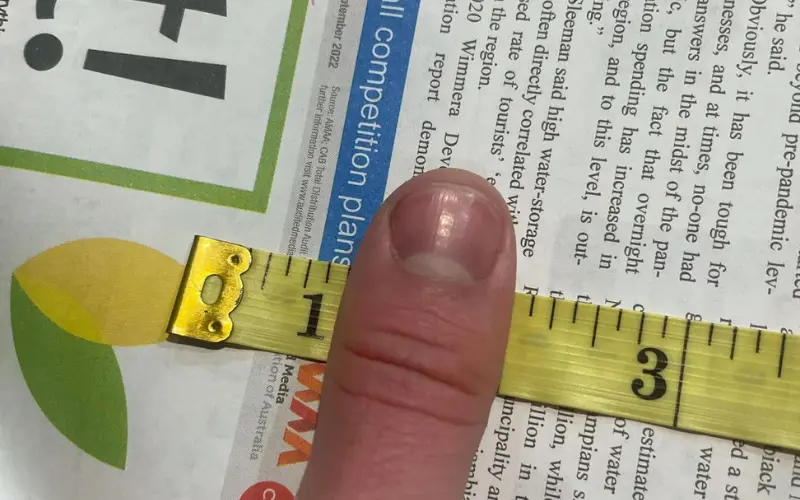
Did you know most adult thumbs are close to one inch wide? If you don’t have a ruler, just look at your thumb — it’s a built-in measuring tool that’s almost perfect.
4. A Fingernail
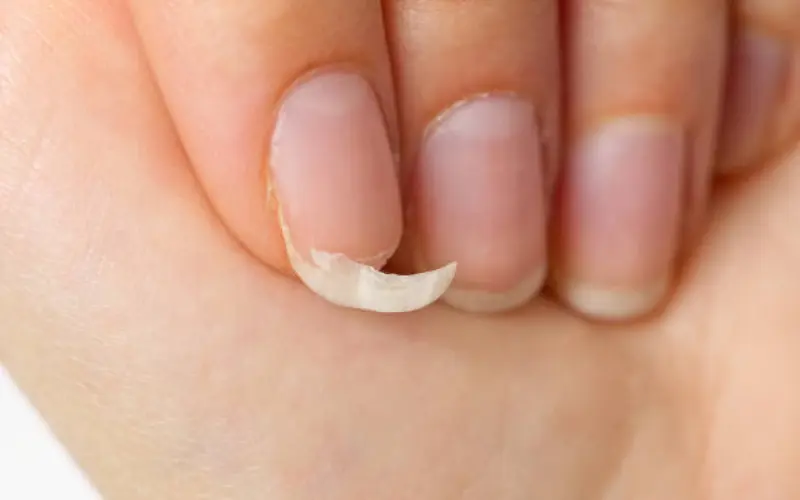
The length of your thumb’s nail is roughly one inch from base to tip. It’s a simple way to remember how long an inch really is.
5. A Shirt Button
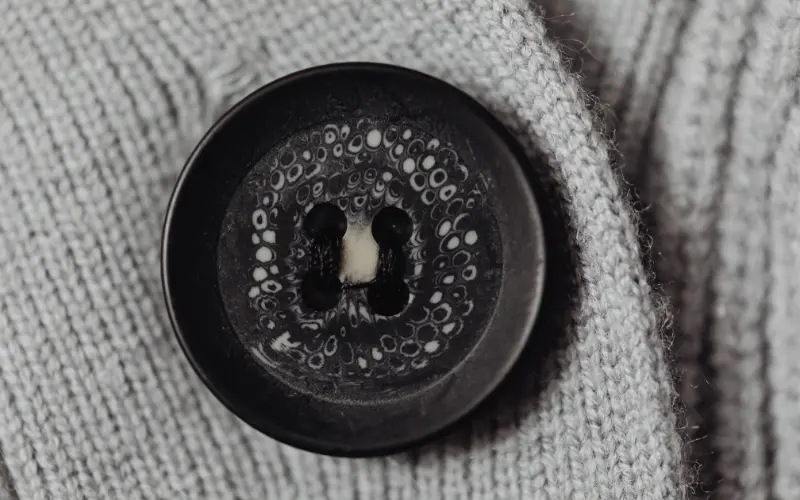
Large buttons on jackets or dress shirts are often about 1 inch across. So next time you’re folding clothes, take a look — you’re seeing an inch right there!
6. A Matchstick
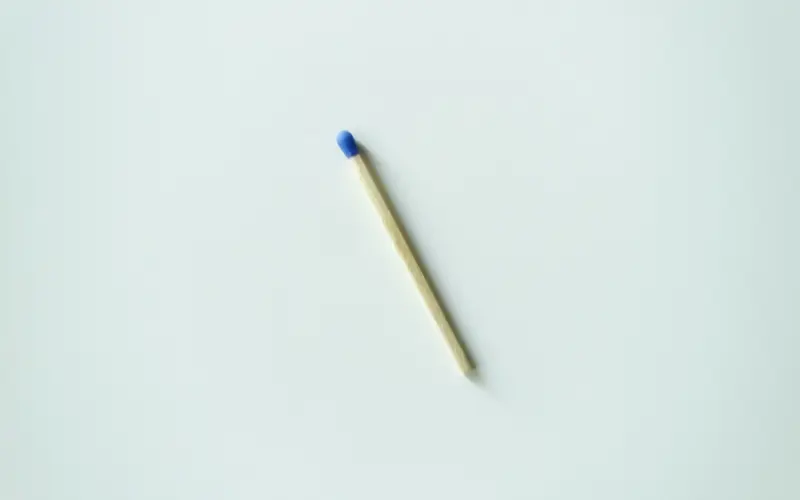
Stand a matchstick upright, and it’s usually around one inch tall. It’s a handy little object to help you picture small measurements quickly.
7. A Quarter Coin
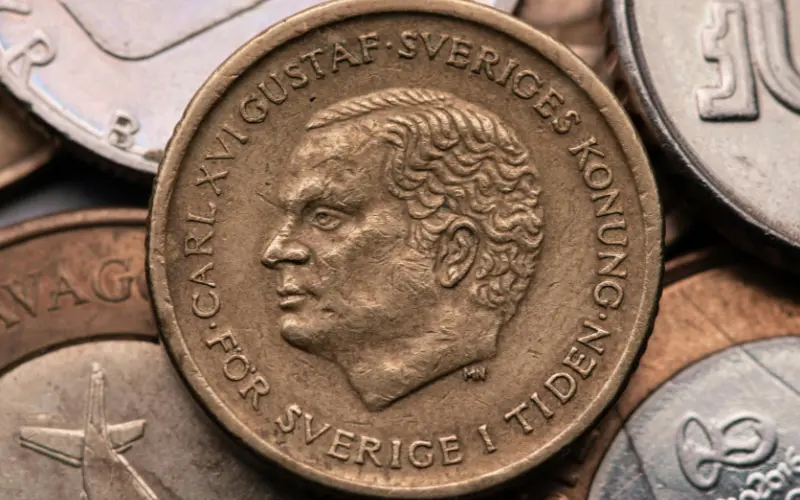
A U.S. quarter is just about 1 inch wide. It’s small, round, and easy to find — perfect for visualizing how big an inch really is.
8. A Sugar Cube

Those tiny sugar cubes you drop into your tea or coffee? Each side measures roughly one inch. It’s a sweet and simple way to imagine inch size in 3D.
9. A Pencil Eraser
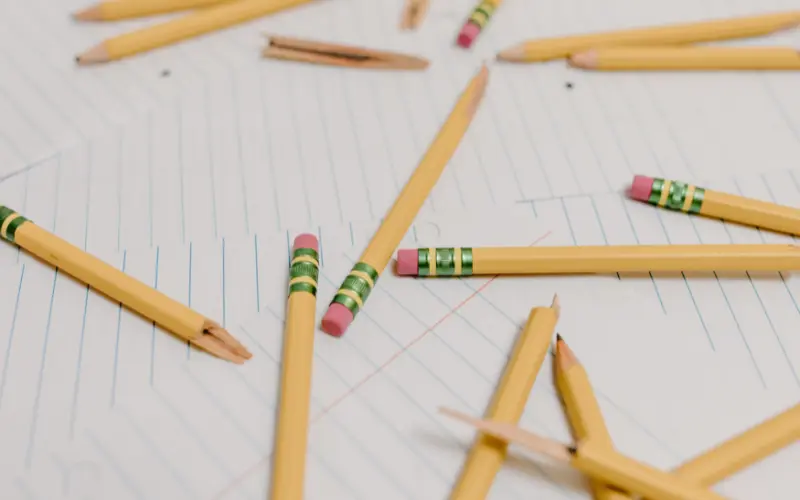
The top of a pencil, where the eraser sits, is about one inch wide. It’s something you use all the time without realizing how helpful it can be for quick measuring.
10. A Post-it Note Edge

The short side of a small Post-it Note is close to 1 inch long. If you ever need to mark equal spaces on a page, that little sticky note is a great helper.
11. A Large Button
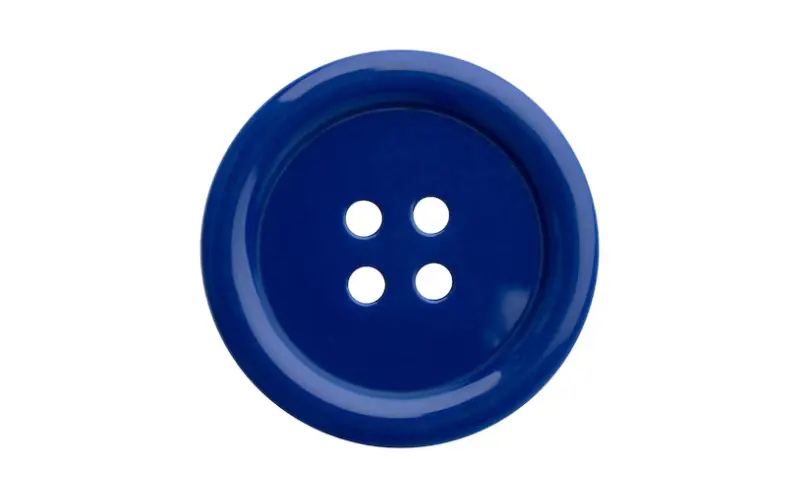
Bigger clothing buttons — like the ones on coats — are often around one inch in diameter. It’s a fun way to see one inch right in your wardrobe.
12. A Credit Card’s Short Edge

The short edge of a credit or debit card is almost exactly one inch wide. It’s a convenient, pocket-sized tool you can use to picture an inch length.
13. A LEGO Brick
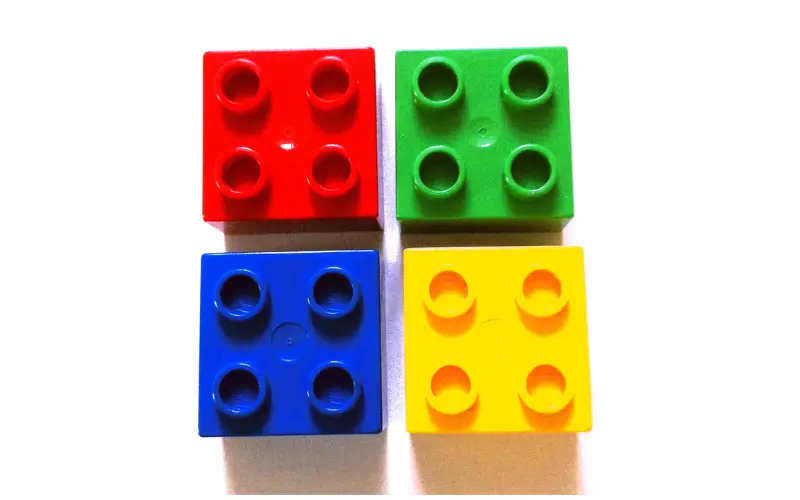
A classic 2×2 LEGO brick is about one inch across. It’s a fun and colorful way to understand how long is an inch, especially for kids who love building things.
14. A Sticky Note Edge
The narrow side of a mini sticky note is close to one inch long. You can use it to estimate spacing or measure small areas in your notebook.
15. A Small Bolt
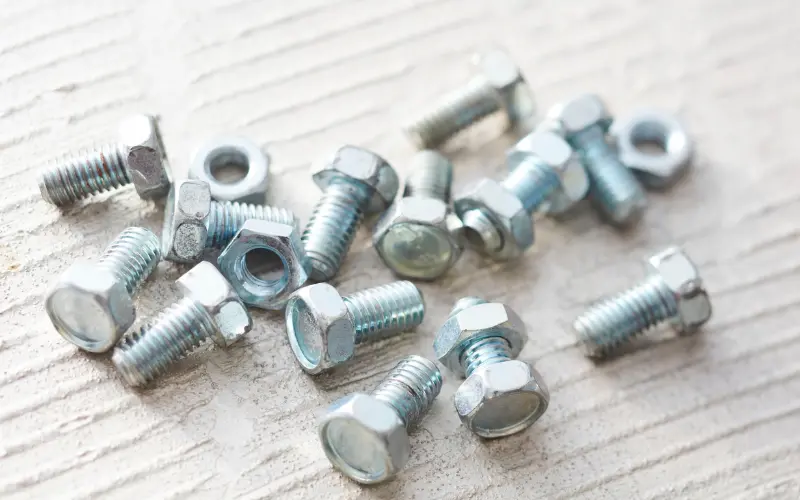
A little bolt or screw from furniture kits is usually about 1 inch tall. It’s perfect for imagining inch height when doing home projects or DIY tasks.
Inch vs Other Units: Centimeter, Foot, and Millimeter
Let’s compare!
- 1 inch vs. centimeter: A centimeter is smaller. It takes about 2.5 cm to make one inch.
- 1 inch vs. foot: A foot is much longer — it’s made of 12 inches.
- 1 inch vs. millimeter: One inch has 25.4 millimeters in it, so it’s way bigger than a single mm.
This shows that an inch sits right between small metric units like millimeters and bigger ones like feet.
Why We Still Use Inches
Even though many countries use the metric system, inches are still super common in the United States. People use them to measure things like clothes, shoes, screens, and furniture.
When you hear someone say “a 6-inch phone” or “a 10-inch pizza,” now you’ll know exactly how long an inch feels and how those sizes compare!
How to Estimate an Inch Without Tools
If you ever forget what 1 inch looks like, here are quick ways to guess it:
- The width of your thumb is close to one inch.
- The diameter of a quarter is almost one inch.
- The height of a small bolt or button is roughly one inch.
With a little practice, you’ll start seeing inches everywhere — on paper, gadgets, or even food items.
The Role of Inches in Daily Life
You might not realize it, but inches are used all the time! They help people design furniture, measure screens, or sew clothes. Even your TV or laptop screen is measured diagonally in inches.
For example, when you read “15-inch laptop,” that means the distance from one corner of the screen to the opposite corner is 15 inches. Now that you know how big an inch is, you can picture those sizes much more easily.
How Big Is an Inch on a Screen (Pixels vs. Inches)
On a computer or phone, size can be tricky. One inch on screen doesn’t always look the same because it depends on your screen’s pixel density (DPI).
For most devices, 1 inch equals about 96 pixels. So if you design or draw online, knowing this helps you keep things the right size — whether it’s for pictures, banners, or icons.
Common Mistakes When Understanding Inches
Sometimes, people mix up inches and centimeters because they sound similar. But remember: 1 inch = 2.54 cm, and it’s a little bigger.
Another mistake is forgetting that inches are part of the Imperial system, not the metric one. Once you practice using both, it becomes super easy to switch between them.
Inch Conversion Chart (Quick Reference)
Here’s a small chart to help you out whenever you need a quick inch-to-centimeter check:
| Inches | Centimeters |
| 1 inch | 2.54 cm |
| 2 inches | 5.08 cm |
| 3 inches | 7.62 cm |
| 4 inches | 10.16 cm |
| 5 inches | 12.7 cm |
| 6 inches | 15.24 cm |
| 12 inches | 30.48 cm (1 foot) |
Keep this handy whenever you’re converting measurements.
FAQs
Q1: How long is an inch exactly?
An inch equals 2.54 centimeters or 25.4 millimeters. It’s about the width of your thumb.
Q2: What object is exactly 1 inch long?
A paperclip or a U.S. quarter coin is almost exactly one inch long or wide.
Q3: How can I measure 1 inch without a ruler?
Use your thumb, a coin, or a small bottle cap — all are close to one inch in size.
Q4: Is one inch the same everywhere?
Yes! The inch is standardized globally as exactly 2.54 centimeters, so it never changes.
Q5: What’s the difference between 1 inch and 1 centimeter?
One inch is bigger than one centimeter — it’s about two and a half times longer.
Conclusion
Now that you know how big one inch really is, you’ll start noticing it all around — in coins, buttons, tools, and gadgets. It’s small but mighty, used in everything from art projects to construction.
When you picture how long an inch is, you’ll better understand measurements like how big 2 inches, 3 inches, or 4 inches too. Measuring becomes fun when you can see it in everyday life!
