
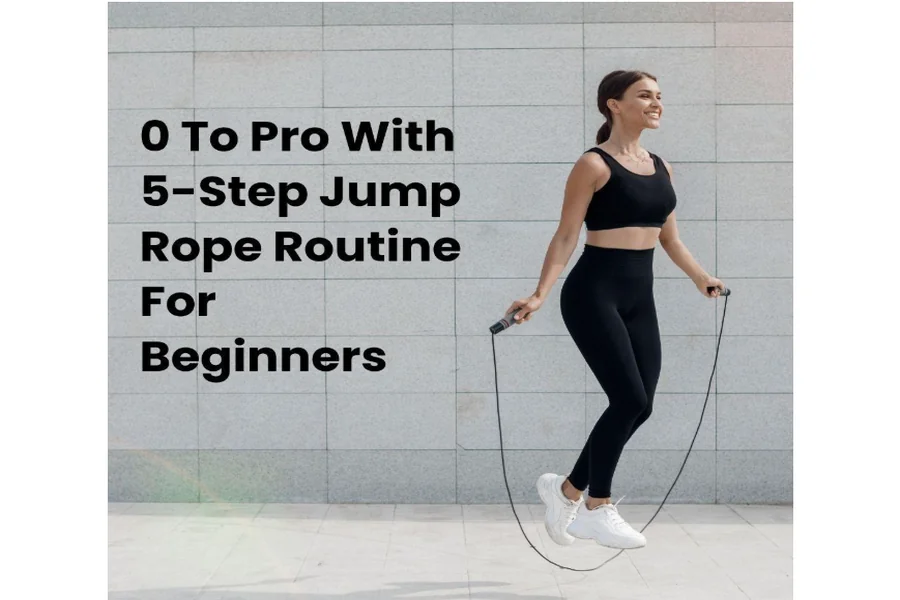
Why does getting fit feel harder than it should, especially when mornings are rushed, the weather turns without warning, and the gym feels more intimidating than inviting? If that sounds familiar, this jump rope routine for beginners is built exactly for you. It fits into real UK life, not an ideal one. No long commutes, no complex machines, and no pressure to already know what you’re doing.
A jump rope gives you honest movement. It burns fat, sharpens coordination, and builds stamina using nothing more than your own rhythm. You start from zero. No background in fitness, no natural timing, no hidden expectations. Just progress that feels earned.
In this guide, we’ll walk you through a clear five-step journey, from your first controlled bounce to confident, fluid movement. Each step builds on the last, so you know exactly what to do and why it works. Stick with me, and this won’t feel overwhelming. It will feel doable.
Step One: The Basic Bounce
Most beginners struggle at this stage for one simple reason. They rush. Speed looks impressive, but control is what keeps you consistent and injury-free. We’ve seen many people quit early, not because jumping rope is hard, but because they skipped learning rhythm. This step slows things down so your body understands what it’s doing.
Start With a Short Warm-Up (2–3 Minutes)
Before you pick up the rope, wake up your joints and muscles. This makes every jump feel smoother.
- Light jog on the spot, or you can try basic bounce on a trampoline to raise your heart rate
- Arm circles and wrist rolls to loosen shoulders and forearms
- Gentle leg swings to open up hips and calves
The Basic Bounce Drill
This is where your jump rope routine for beginners truly begins.
- Jump for 30 seconds with feet together.
- Keep the bounce low and relaxed.
- Land softly and breathe steadily.
- Rest for 30 seconds, and shake out your legs.
- Repeat for 5 to 10 rounds.
Think of this as learning to listen to the rope rather than fighting it.
Once this bounce feels steady, you’re ready to add movement without losing control. In the next step, we build on this rhythm and introduce variety without overwhelming your body.
Step Two: The Building Blocks
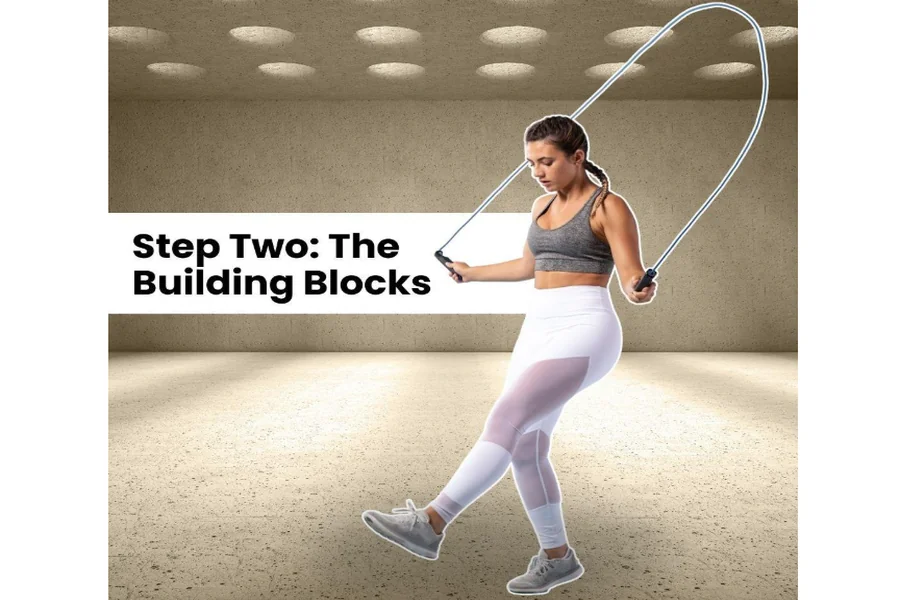
Once your feet stop panicking and the rope starts becoming your friend, it’s time to layer skills. This stage adds movement without breaking rhythm. It keeps sessions engaging and pushes your body to work harder, without feeling messy or rushed.
Alternate Footstep
This move feels like a light jog on the spot.
- Shift weight from one foot to the other.
- Keep jumps low and relaxed.
- Let the rope set the pace.
This step teaches control while your body stays active. Many beginners find this easier on the calves than constant two-foot jumps.
Boxer Skip
This is a soft side-to-side shift that resembles a kangaroo rather than a jerky bounce.
- Lean slightly onto one foot, then switch.
- Stay soft through the ankles.
- Keep shoulders relaxed.
It reduces joint strain and helps you stay longer in your jump rope routine for beginners.
High Knees
Lift with purpose, not forcing your body, and if you want to add extra bounce, you can try a heavy duty rectangular trampoline.
- Bring one knee up at a time.
- Keep the lift controlled.
- Maintain steady breathing.
This raises intensity and sharpens balance without turning chaotic.
With these building blocks in place, your body is ready for structured sequences. The next step brings everything together into a timed routine that builds real momentum.
Step Three: The 20-Minute Progression Routine
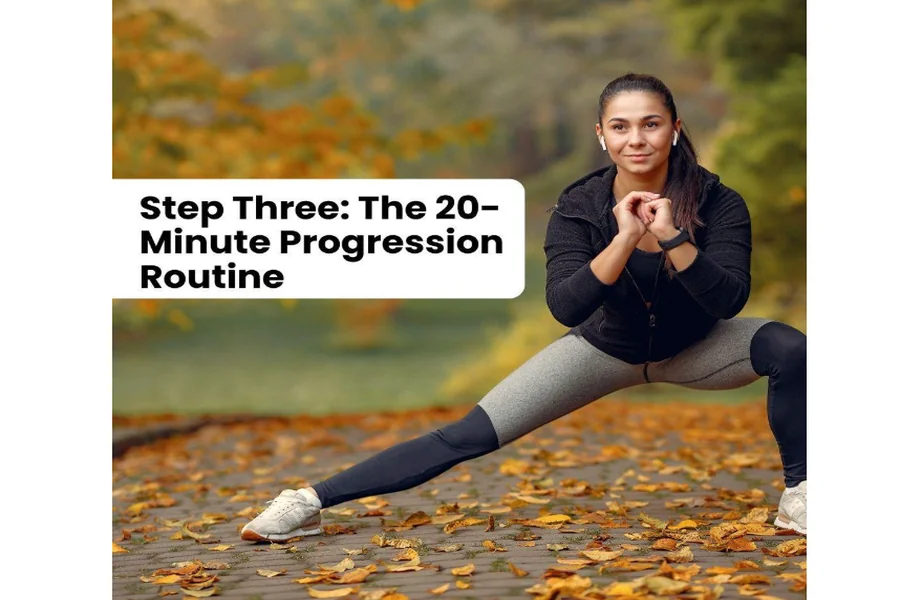
This is like the turning point. Up to now, you’ve been learning control and rhythm. Here, that beginner effort starts taking a clear shape. Movements connect, timing improves, and the workout begins to feel organised rather than scattered.
Warm-Up (5 Minutes)
Start steadily so your body stays ready for what you are going to do next. Warm up with movements like jogging lightly while turning the rope to settle into a rhythm and using dynamic stretches for the hips and shoulders.
This prepares joints and keeps early fatigue away.
Main Intervals On the Trampoline
Work for 40 seconds, rest for 20 seconds, and complete each move 2x before moving on.
The garden trampoline absorbs impact, so your joints stay relaxed while your muscles still work hard. It also makes timing easier, which helps beginners stay consistent.
Jumping Jack Skips
Open and close your legs while bouncing lightly. The best inground trampolines help you find rhythm faster and keep the hips warm without strain.
Squat Skips
Sit back gently into the mat before jumping up. The soft surface supports your knees while building leg strength and control.
Alternate Footstep Skips
Shift weight from foot to foot. The workout trampoline gives your calves micro-rests while keeping the heart rate steady.
High Knee Skips
Lift one knee at a time with control. The bounce assists balance and makes the movement smoother.
Criss-Cross Skips
Cross and open your arms calmly. The 12ft trampoline slows the timing just enough to improve coordination.
Half and Full Twist Skips
Rotate the torso slightly on each bounce. This engages the core without forcing sharp turns.
Mummy Kicks
Kick straight legs forward with light bounces. This challenges posture and rhythm without heavy impact.
Plank
Hold steady on the trampoline surface. The unstable base trains deeper core muscles and breathing control.
This trampoline-based flow is where a jump rope routine for beginners starts feeling smooth, controlled, and noticeably more effective, both for skill development and fat loss.
Cool-Down (5 Minutes)
Slow the pace so recovery stays smooth with a light jog to lower the heart rate and static stretches for calves, hamstrings, and a gentle cobra stretch.
Safety tips – Make sure your bouncy companion is constructed with a high-quality trampoline springs if you are adding bounce to your jump rope workout for beginners.
By now, movement feels intentional and controlled. In the next step, we focus on small technique tweaks that protect your joints and help you train longer without setbacks.
Step Four: Technique That Saves Your Knees
By this stage, most beginners feel fitter, but this is where smart technique decides how long you can keep going. A few simple adjustments protect your knees and make every session feel lighter.
Get the Rope Length Right
Start with the basics, because the wrong skipping rope creates bad habits fast. Here is how you can measure your rope:
- Stand in the middle of the rope.
- Pull the handles up.
- They should reach your armpits, not higher.
- Plus, do not forget to buy the right grip trampoline socks if you are doing the routines with a trampoline.
Clean Up Your Form
Good form reduces strain and improves results at the same time. These small changes save energy and protect joints.
- Jump only a few inches off the ground.
- Turn the rope with your wrists, not your shoulders.
- Keep elbows close to your sides.
A Tip From Experience
If your goal is to give your children a healthy start, focus first on the environment they move in. A safe, well-planned softplay zone helps children develop better balance, coordination, and confidence from an early age. When movement feels natural and supported, they learn correct habits without pressure, which lays the foundation for lifelong fitness.
The emphasis switches to consistency and recuperation once the technique feels firm. The next phase examines the point at which you truly turn pro.
Step Five: When You Know You’re No Longer a Beginner
Progress shows up in small, steady ways that feel natural rather than dramatic. Most people miss these signs because they expect something louder. In reality, this stage feels calm, controlled, and reassuring.
- You jump without thinking: the rope clears smoothly, and your feet respond on their own. Timing no longer needs effort.
- Your breathing recovers faster: Short breaks feel enough. Your heart rate settles quickly, even after harder rounds.
- Your body feels lighter and springier: jumps feel elastic, not heavy. Ankles and calves respond instead of resisting.
- Clothes fit better, and posture improves: the mirror shows subtle changes. Shoulders sit taller, and movement looks cleaner.
- You start enjoying the challenge: effort feels purposeful, not exhausting. You look forward to improving, not just finishing.
This is where a jump rope routine for beginners stops feeling like practice and starts becoming a habit you trust. From here, consistency replaces effort, and confidence carries you forward.
Conclusion
Throughout this guide, we’ve broken things down step by step, starting with the basic bounce, building control, adding movement, and finally shaping it all into a clear, structured routine. Each section showed how small, steady changes lead to better rhythm, stronger legs, and smoother movement. That progression matters because it keeps training practical and sustainable, not overwhelming.
Most importantly, this journey proves that progress comes from showing up regularly, not from chasing perfection. When you follow a jump rope routine for beginners with patience and purpose, fat loss, skill development, and confidence grow together. Nothing feels rushed, and nothing feels forced.
If you’re ready to keep moving forward, explore safer and smarter training tools that support long-term progress for both adults and families. Start where you are, trust the process, and let your jump rope routine for beginners become a habit that fits real life.
Convert Inches to Meters, cm, mm, and Feet
Converted Values:
Meters (m): 1.016
Centimeters (cm): 101.60
Millimeters (mm): 1016.00
Feet (ft): 3.33