

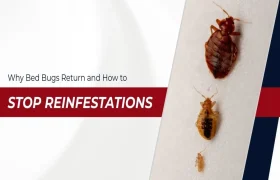
Do bed bugs come back even after you’ve treated your home? Unfortunately, they often do, mainly when a few eggs or hidden bugs survive the first treatment. These pests spread quietly, moving from one spot to another before you even realize it. However, understanding what causes a bed bug reinfestation is the key to stopping the cycle for good. Read on to discover how to prevent their return and protect your home.
Why Bed Bugs Keep Coming Back in the Bay Area
Many Bay Area residents struggle with repeated infestations despite multiple treatments. Knowing what drives these returns helps you plan stronger, longer-lasting prevention. The following outlines the local factors that make long-term control difficult:
A. Multi-unit housing and shared walls
- Shared structures increase spread: Bed bugs travel between apartments through walls, vents, and plumbing openings.
- Standard utilities create entry points: Gaps around pipes and electrical lines allow pests to move easily between units.
- Incomplete treatments cause reinfestation: When only one unit receives treatment, bed bugs escape to untreated areas and later come back.
B. Winter travel + urban population density
- Frequent travel introduces bugs: Residents often bring bed bugs home from hotels, public transit, or shared spaces during winter holidays.
- Dense urban areas accelerate the spread: The Bay Area’s high population and frequent movement between buildings facilitate the easy movement of pests.
- Mild winters support survival: Because temperatures rarely drop low enough to kill bed bugs, infestations persist throughout the year.
Post-Treatment Mistakes That Lead to Reinfestation
Even after professional treatment, minor oversights can allow bed bugs to return. Avoiding these mistakes helps you stay pest-free. The following highlights the most common causes of bed bug reinfestation:
A. Incomplete heat or chemical coverage
- Uneven application: Skipping corners, baseboards, or furniture seams leaves untreated areas where bed bugs can survive.
- Inconsistent heat levels: If temperatures don’t stay high enough throughout the space, surviving bugs can repopulate quickly.
- Missed follow-up inspections: Without post-treatment checks, unhatched eggs may go unnoticed, leading to another outbreak.
B. Reused infested furniture or bags
- Bringing items back too soon: Returning mattresses, bags, or clothing before confirming they’re pest-free can reintroduce bed bugs.
- Keeping untreated furniture: Infested couches or chairs may still harbor bugs deep within their cushions and seams.
- Overlooking travel items: Luggage or backpacks from infested areas can carry pests into clean spaces.
How to Prevent Bed Bug Reinfestation
Meanwhile, preventing the risk of bed bug infestation requires consistent maintenance. Simple, ongoing habits help stop future infestations before they spread. Consider the following steps on how to keep your home safe:
A. Passive Monitors, Sealed Encasements
- Install passive monitors: Place them under bed legs or near sleeping areas to detect early activity.
- Use sealed mattress encasements: Cover mattresses and box springs to trap hidden bugs and block new infestations.
- Inspect regularly: Check monitors and encasements weekly to catch signs of pests before they spread.
B. Smart Luggage Storage After Holidays
- Unpack carefully: After traveling, inspect the seams and pockets of your luggage for any signs of bed bugs.
- Store luggage properly: Keep suitcases in sealed containers or off the bedroom floor to limit pest movement.
- Wash travel items: Launder clothes and washable items in hot water to eliminate hidden bugs or eggs.
Why Heat Treatment Is Best for Urban Spread
Heat treatment is one of the most effective techniques for addressing infestations in apartments and multi-unit dwellings. Since heat penetrates shared walls and hidden spaces, it provides complete coverage where sprays cannot. The following explains why heat works exceptionally well for city infestations:
A. Treats Units and Adjacent Walls
- Covers multiple areas at once: Heat moves through walls, floors, and shared structures, reaching hidden spaces between units.
- Prevents reinfestation: Treating all connected areas together keeps bed bugs from escaping one room and returning later.
- Ensures complete coverage: Heat reaches cracks, crevices, and wall voids that sprays or powders often miss.
B. Kills Eggs, Nymphs, and Hidden Adults
- Targets every stage: High temperatures kill eggs, nymphs, and adults in one session.
- Eliminates hidden clusters: Heat penetrates mattresses, furniture, and wall gaps where bed bugs hide.
- Reduces the need for repeat visits: Because heat kills all life stages, it often requires fewer follow-ups.
By using heat treatment, pest professionals help homeowners and property managers stop recurring bed bugs and maintain safer, pest-free spaces across urban buildings.
When to Schedule a Local Follow-Up Inspection
Scheduling a local follow-up inspection ensures treatments remain effective and helps detect any lingering pests early. Acting at the right time strengthens results and prevents future infestations. The following shows when to schedule a follow-up for optimal results:
A. Before New Year Travel Season
- Plan for holiday trips: Travel increases the risk of bringing bed bugs home from hotels or public transportation.
- Act ahead of peak activity: Scheduling inspections before winter travel allows professionals to catch and treat any early signs.
- Maintain year-end protection: Early checks keep homes protected through the busiest travel months.
B. If Bites Reappear Within 3 Weeks
- Respond quickly to new signs: If new bites appear, schedule an inspection immediately to confirm whether bed bugs are still present.
- Verify treatment success: Follow-up visits confirm that the initial treatment eliminated all life stages.
- Prevent spread early: Quick inspections reduce the chance of reinfestation and help stop recurring bed bugs before they multiply again.
Take Back Your Peace of Mind!
It only takes one missed step for bed bugs to find their way back, but steady prevention can make all the difference. Therefore, with consistent cleaning and professional monitoring, you can finally stop recurring bed bugs and sleep without worry. For extra protection, contact professionals who specialize in bed bug reinfestation in Bay Area, CA, and get lasting peace of mind.
